

We handle ECU, BCM and TCM programming and coding so the new unit works with your vehicle.
Modern vehicles rely on electronic modules to communicate and control many functions. When one system behaves unexpectedly—or several systems develop faults—it can be difficult to tell whether the cause is a module, its power supply, wiring, network communication, or another component.
Control modules are expensive, and many are replaced when the real problem is power, ground or wiring. We test the module's supply, grounds and communication first to confirm a genuine ECU failure. When a module does need replacement, we handle ECU programming and coding so the new unit works with your vehicle. This covers ECM, BCM, TCM and other modules.
Drive Diagnostics provides mobile module diagnostics in Calgary. We investigate module-related symptoms, check relevant electrical circuits and communication, and explain what the results indicate before recommending next steps.
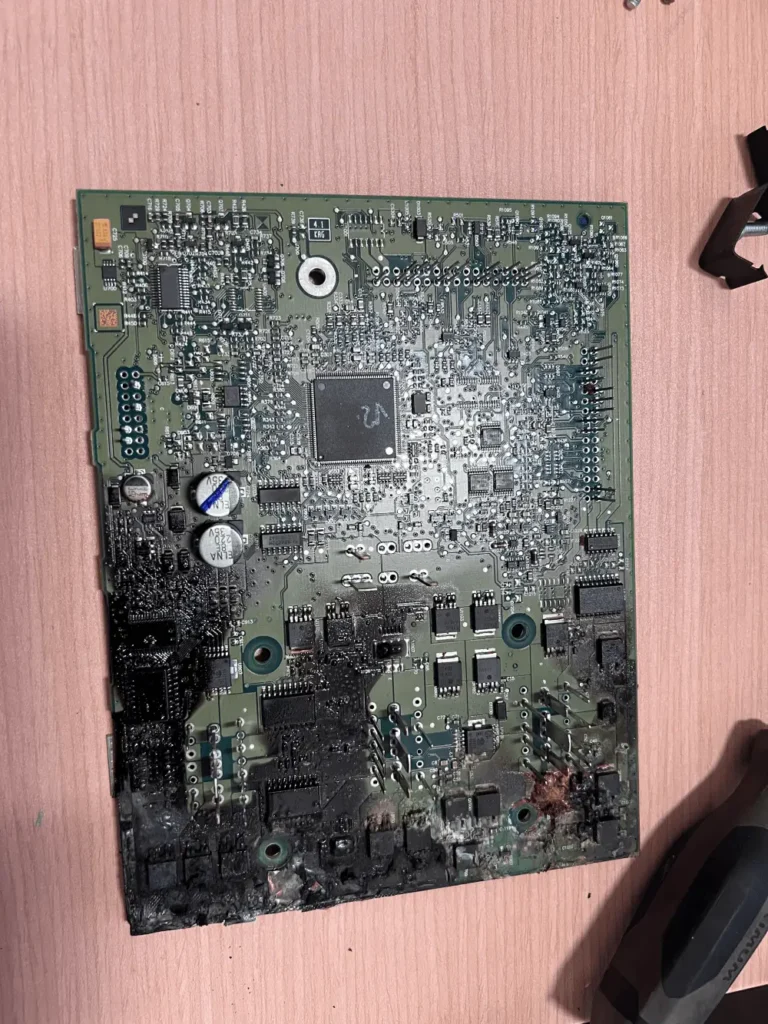
Signs Of a Possible Module or Communication Issue
Module-related problems can appear in different ways, including:
These symptoms can have several causes. Proper testing helps determine which system or circuit needs attention.
Why a Module Code Doesn’t Always Mean a Bad Module
A communication code or module-related fault may be caused by an issue outside the module itself. Low voltage, a poor ground, damaged wiring, a network fault, or another system problem may lead to similar codes or symptoms.
That’s why diagnosis should consider the module and its supporting circuits before a replacement is recommended.
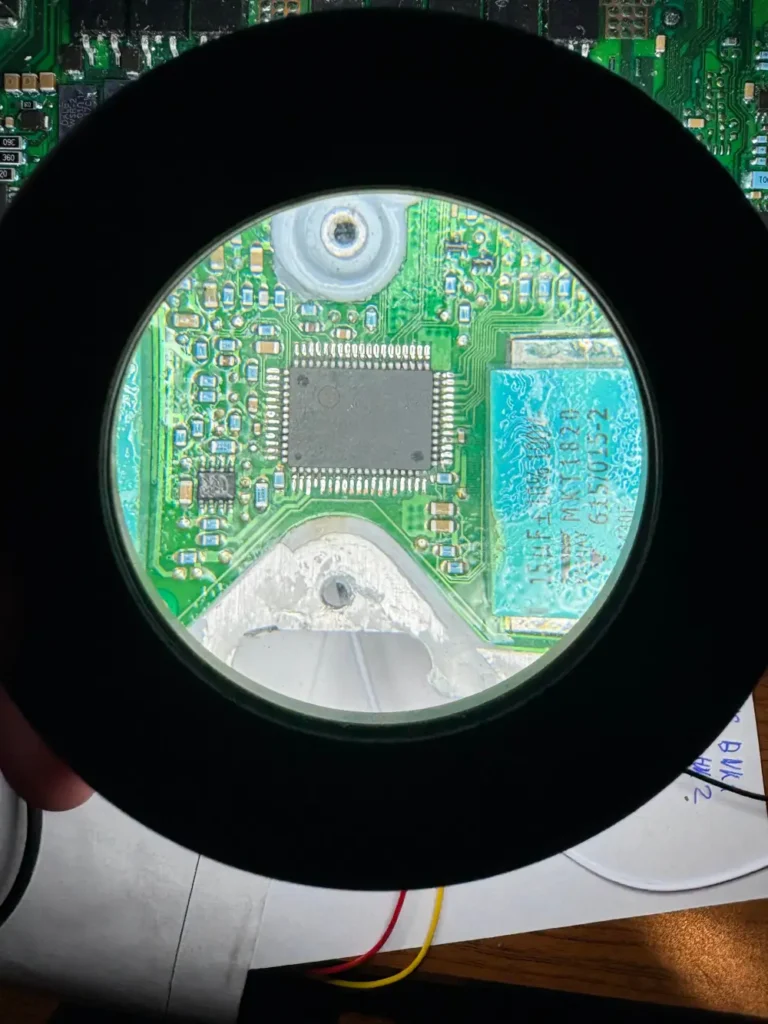
How Module Diagnostics Works
1. Review the symptoms and vehicle history
We’ll ask what the vehicle is doing, which systems are affected, when the issue started, and whether any recent work or battery problems may be relevant.
2. Scan relevant vehicle systems
Diagnostic equipment can help identify stored trouble codes and communication status across supported vehicle modules. Codes provide direction for diagnosis; they don’t by themselves confirm a failed part.
3. Check related electrical conditions
As needed, we investigate power and ground supply, wiring, connections, and communication circuits related to the reported symptoms.
4. Explain the findings
We’ll summarize what the checks show and discuss appropriate next steps. If further testing, programming, or repair is needed, we’ll explain what the available results support.